

Updated: Sept 2026
Singapore has always had a bit of a reputation for being the playground of the rich. Luxury shopping malls, fancy hotels, fine dining, rooftop bars and enough designer stores to make your credit card nervous.
But that is only one version of Singapore.


I spent over two weeks in Singapore as an exchange student and explored public gardens, hawker centres, historic neighbourhoods, temples, mosques, colourful markets, and more. The excellent public transport made it easy to get around and there were enough free things to do to for someone like me, a student on a budget, to keep me occupied without selling a kidney.
And then there are the big attractions – Sentosa, Universal Studios, the Singapore Zoo, Marina Bay Sands and, more recently, Gardens by the Bay and the new wildlife parks at Mandai. I spent my time trying to see as much as possible in the few days I had. A lot has changed since then. Some attractions I visited no longer exist, new ones have appeared, and some of the things that were a novelty back then are now firmly established Singapore icons.
So this is my updated Singapore travel guide – what I saw when I went, what I’d still recommend, what has changed, and what you should know if you’re visiting Singapore in 2026.
Because I may have a dream of spending a month in every country, but realistically, most of us have to make do with a few days.
And Singapore gives you plenty to pack into them.
Before You Go to Singapore
How many days do you need in Singapore?
You can see the highlights in three days, but four to five days is much nicer. I remember telling a cab driver that I have around 20 days in the city and he told me there’s nothing to see beyond 3-4 days. Little did he know I could spend all 20 days just trying new restaurants and streetfood!
Singapore is deceptively easy to navigate, which makes it tempting to cram everything into an itinerary. The problem is that “easy to get around” doesn’t mean “everything takes 30 minutes.”
A morning at Sentosa can easily become an entire day. So can Mandai. Gardens by the Bay looks like something you can tick off in an hour until you realise there are multiple gardens, conservatories, walking paths, restaurants and evening shows.
And let’s talk about the heat. You will walk. You will sweat. You will stop for food. You will need a break. So don’t build an itinerary that looks like this:
8am breakfast → 9am zoo → 1pm Sentosa → 4pm Universal Studios → 8pm Marina Bay → 10pm Clarke Quay.
You will hate everyone by Day 2.
For a first visit, I’d aim for:
3 days: the big attractions + a couple of neighbourhoods
4 days: much more comfortable
5 days: enough time to mix attractions, food and wandering around without rushing
More: If you enjoy slow travel and your wallet is too heavy to carry 😀
Getting Around Singapore
One of the things I loved about Singapore was how ridiculously easy it was to get around.
The MRT is clean, efficient and easy to understand, and buses fill in the gaps. You don’t need a private car to see Singapore. In fact, I’d avoid planning your trip around taxis unless you have a specific reason to use one.
Walk when the distance makes sense. Take the MRT when it doesn’t. Use a taxi or ride-hailing service when you’re tired, travelling with lots of luggage or heading somewhere less convenient.
And download a map before you go. Singapore may be compact, but the enormous malls, underground connections and multiple exits at MRT stations can make “I’ll just walk there” more complicated than it sounds.
The best Singapore attractions and experiences
1. Spend a day on Sentosa Island
If Singapore is the playground of the rich, Sentosa is the playground within the playground. When I visited in 2016, there were several ways to get to the island – the cable car, the tram and the Sentosa Boardwalk. The Boardwalk was a particularly nice option if you wanted to walk across rather than pay for transport.
You can still do that. The Sentosa Boardwalk is free, and it gives you views over the water as you make your way onto the island. The cable car, meanwhile, is worth considering if you actually want the view rather than simply wanting to get there.
Once you’re on Sentosa, the problem is no longer getting there. It’s deciding what to do.
There are beaches – Palawan, Siloso and Tanjong Beach are the main ones. If you’re looking for a lazy beach day, you can absolutely have one. If you’re looking for adrenaline, you can spend the entire day doing the opposite.
There’s Universal Studios, the Singapore Oceanarium, Skyline Luge, adventure activities, Fort Siloso, nature trails and plenty more.
You don’t have to do everything. Actually, please don’t do everything.
Sentosa Sensoryscape
This is one of the biggest changes since my trip. Sentosa Sensoryscape is a 350-metre trail connecting Resorts World Sentosa to the southern beaches, designed around six sensory gardens. During the day, it is a landscaped walk through the island. At night, it becomes an illuminated experience, and that is when it gets particularly interesting.
Best of all, it is free. Go after sunset, when the lighting changes the atmosphere and the walk becomes much more leisurely. I wouldn’t think of it as another attraction you have to squeeze into your Sentosa checklist. I’d use it to slow down.
Do Universal Studios in the morning? Walk Sensoryscape in the evening. Spend the afternoon at the beach? Come here after dinner. That’s a much nicer way of using it.
If you want something beyond theme parks, head towards Fort Siloso. The fort dates back to Singapore’s military history and has exhibits explaining its role, particularly around World War II. The Fort Siloso Skywalk also gives you a different perspective of the island from above the treetops. It is a good option if you’re interested in history and don’t want your entire Sentosa day to consist of rides.


2. Universal Studios Singapore
If theme parks are your thing, put this on the list. When I went in 2016, the big attractions included Jurassic Park, Shrek, Transformers, Madagascar and Battlestar Galactica.


And then there was Human v/s Cyclon. I still remember that ride. It was terrifying… so scary that I just flopped in my seat after a point and resorted to being shaken like a rag doll until the ride ended.
Universal Studios has changed over the years, but the basic advice hasn’t: don’t arrive without a plan. Remember, queues are an unavoidable part of the experience. You will have long waits for popular rides such as Transformers, particularly on busy days. So if Universal Studios is a priority, get there early and have a rough idea of the rides you absolutely want to do rather than wandering around until lunchtime and discovering you’ve spent half your day in a queue. For families and theme-park fans, it’s an easy recommendation. If you’re an adult travelling without kids and theme parks aren’t really your thing, I’d use the time elsewhere.
So:
- Arrive early.
- Identify your must-do rides.
- Do the popular ones first.
- Don’t spend the first two hours taking photographs outside the entrance.
- Check show timings.
- Keep some flexibility rather than planning every ride to the minute.
If you’re travelling with children, Universal Studios can easily be one of the highlights of the trip.


3. Visit Gardens by the Bay
Gardens by the Bay wasn’t the attraction when I visited, like it is today. And if I were planning a Singapore trip now, I’d absolutely put it on the list.
It sits right in the middle of the city and covers a huge area with more than 1.5 million plants. The outdoor gardens are free to explore, while attractions such as Cloud Forest, Flower Dome and the OCBC Skyway require tickets.
The Supertrees are the obvious reason everyone knows the place. During the day, they are impressive, but at night, they’re something else.
Garden Rhapsody, the light-and-music show at Supertree Grove, takes place every evening at 7:45pm and 8:45pm, and admission is free. So don’t make the mistake of visiting at 3pm, taking your photographs and leaving. I’d plan your visit around sunset and stay into the evening.
If i had to suggest you pay for something, it would be for Cloud Forest. Walk into the conservatory and you’re suddenly surrounded by mist, greenery and a huge indoor waterfall. It feels nothing like a conventional botanical garden. There are elevated walkways, plants from tropical mountain environments and different levels to explore. And if you’re travelling with children, this is one of those places where “we’re going to see some plants” may unexpectedly become one of their favourite parts of the trip.
Then the Flower Dome is a completely different experience. It is enormous, cool and filled with plants and flowers from different parts of the world. If you’re not particularly interested in botany, you may find Cloud Forest more dramatic. If you love gardens, you may want both.
How long should you spend here?
More than an hour. I’d give Gardens by the Bay at least three hours if you’re doing the conservatories, and longer if you want to explore properly. The gardens are particularly enjoyable later in the day, with the outdoor areas becoming more atmospheric after dark. And this is one attraction you can easily combine with the rest of Marina Bay, rather than giving each one a separate day.
4. See Marina Bay Sands
There are some buildings you recognise before you’ve ever visited a city. Marina Bay Sands is one of them. The three towers with what looks like a giant ship balanced on top have become synonymous with Singapore.
I spent time walking around The Shoppes, admiring the ridiculous luxury stores, watching the canal inside the mall and, yes, visiting the casino, which I did much too often. Hahaha.
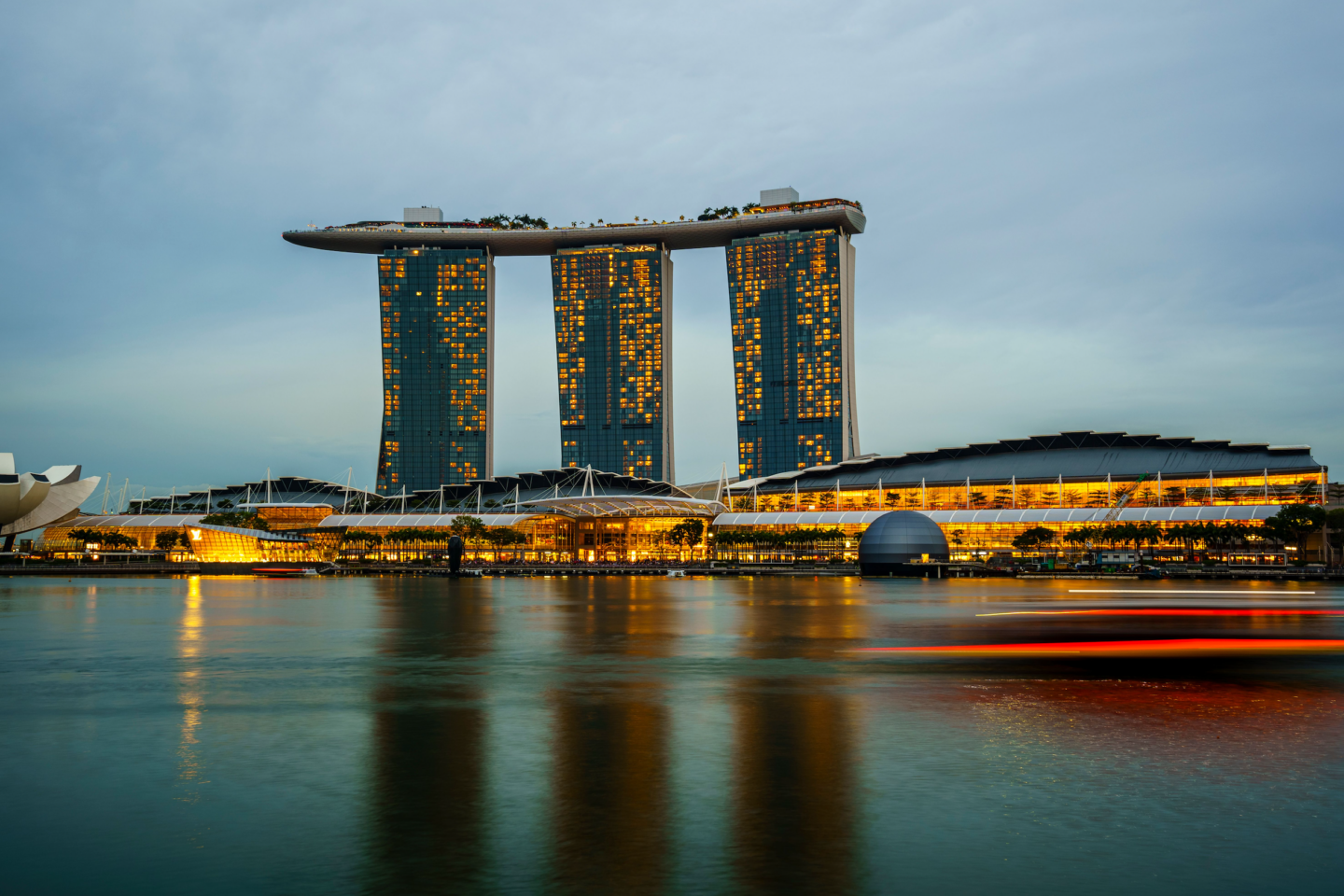

One thing to know if you’re visiting: the famous infinity pool is for hotel guests. You cannot simply buy a ticket to the observation deck and jump into the pool. What you can do is visit the SkyPark Observation Deck for the view. And the view is spectacular.
You get a completely different perspective of the city, with the financial district, Singapore Flyer, Gardens by the Bay and the water all spread out below. Go around sunset if the weather is good.
5. Watch Spectra at Marina Bay
While you’re at Marina Bay Sands, stay for Spectra, the light-and-water show over the waterfront. This is exactly the kind of thing I like about Singapore. You can spend a ridiculous amount of money at Marina Bay Sands, but you can also stand outside and watch a spectacular show without paying for another attraction.
Check the current show timings before you go because schedules can change.
6. Take a ride on the Singapore Flyer
The Singapore Flyer is one of those attractions that looks more impressive from the ground than you expect it to be. Then you’re up there. The observation wheel gives you a 360-degree view across Singapore, and on a clear day you can see considerably farther than you might expect.
Would I make a special trip across Singapore just to ride it? Probably not. Would I do it while already exploring Marina Bay? Yes.
This is the general rule I’d use for Singapore: Group attractions that are near each other.
Don’t spend an entire afternoon travelling from one end of the city to another because your itinerary treats every attraction as a separate event.


Click a picture of the Merlion
You can’t really visit Singapore for the first time without seeing the Merlion. The half-lion, half-fish statue is one of the city’s most recognisable symbols, with the lion representing Singapore’s name and the fish reflecting its origins as a fishing village.
This statue stands at Merlion Park overlooking Marina Bay. It’s not something to make a special trip across the city for, but it’s an easy stop when you’re already exploring Marina Bay, the Singapore River or the Civic District. Take your obligatory photograph, watch the water shoot from its mouth and admire the view across the bay. Then keep walking. The waterfront around it is more interesting than spending too long staring at the statue.
It’s also close to The Fullerton and Boat Quay, so you can easily add it to a longer Marina Bay and Singapore River walk.
7. Explore Singapore’s wildlife parks
Singapore’s wildlife attractions are part of the larger Mandai Wildlife Reserve, which includes Singapore Zoo, Night Safari, River Wonders and Bird Paradise.
Singapore Zoo
I’m not usually a huge fan of zoos. I tend to get a little uncomfortable with the whole idea of animals being kept in captivity, so a zoo has to do something fairly special to convince me to spend several hours there. Singapore Zoo’s open-concept approach is a big part of what sets it apart, with many habitats using planting, moats and natural-looking barriers instead of traditional cages.
The zoo is home to more than 4,200 animals across habitats from around the world, including Asian elephants, giraffes, orangutans, primates, reptiles and African wildlife. The Fragile Forest is particularly interesting, as it’s a walk-through rainforest environment where you can get closer to smaller animals. There’s also the world’s first free-ranging orangutan exhibit, where the orangutans can move through the treetops rather than being confined to a conventional enclosure.
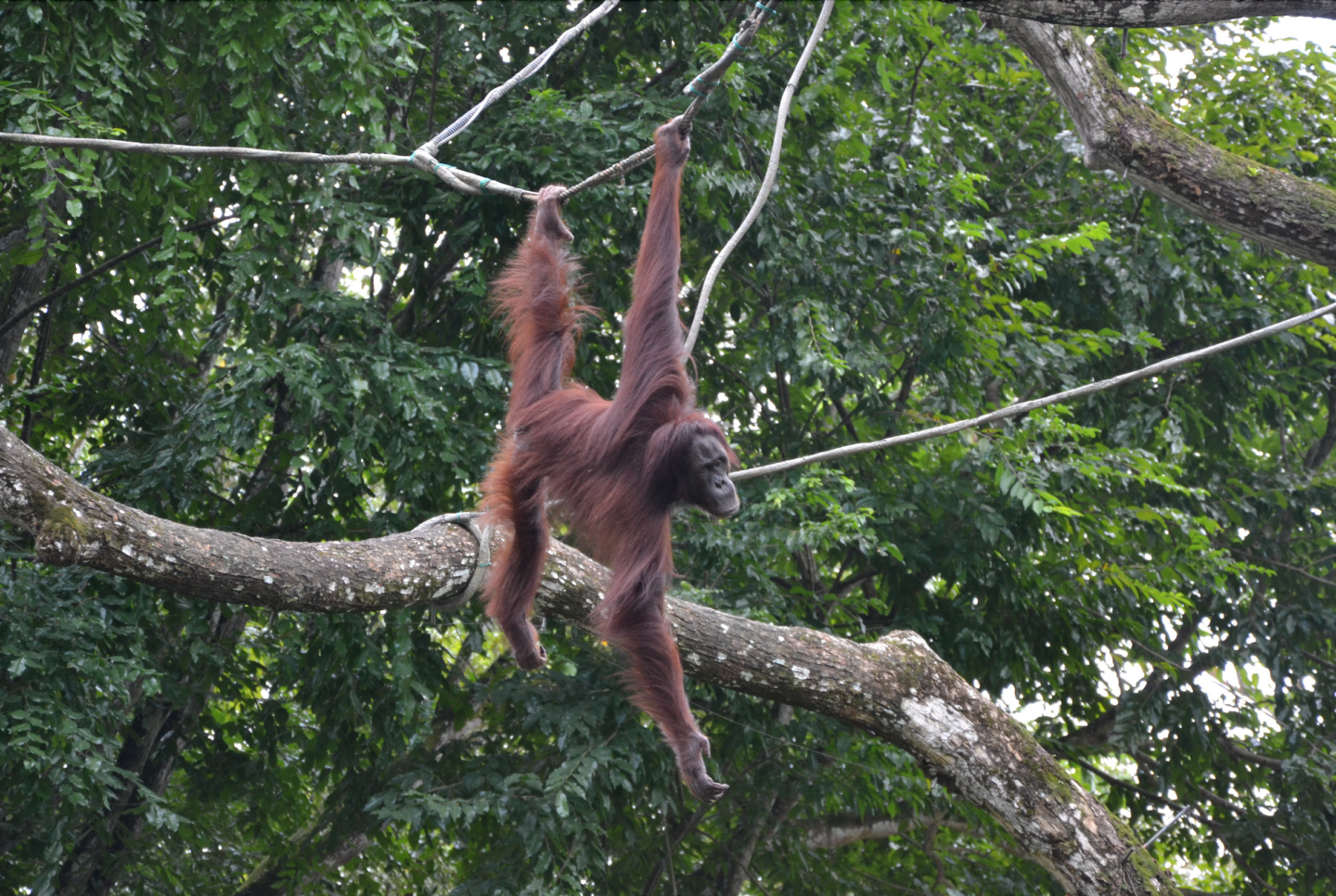

Travelling with children? Make time for KidzWorld, which has interactive play areas, water activities, animal encounters and experiences designed specifically for younger visitors. If you want to take part in an animal feeding experience, book ahead rather than assuming you can get a slot on the day.
Don’t underestimate the size of the zoo. Give yourself at least three to four hours, and families could easily spend five or six. There’s a tram if you don’t want to walk the entire park, but comfortable shoes are still a good idea – Singapore’s heat and humidity can make a few hours of walking feel considerably longer.
Singapore Zoo is currently open daily from 8:30am to 6pm, with last entry at 5pm. Check the official site before visiting as individual exhibits and experiences can change.
Bird Paradise
Jurong Bird Park, as it was called when I visited, is now called Bird Paradise in Mandai, and it is a very different experience. The new park covers 17 hectares and has more than 3,500 birds across more than 400 species, with large walk-through aviaries designed around different habitats. Here, the aviaries are open, which means there are birds flying over and between you, instead of being in small cages,


The feeling of being surrounded by free-flying birds, the naturalistic design and the Crimson Wetlands aviary in particular is lovely. The flip side is that it is a large park: expect walking, heat and humidity. There are also air-conditioned spaces and rest areas when you need a break. So, wear comfortable shoes, and don’t schedule five other things afterwards.
Night Safari
This was one of the highlights of a Singapore itinerary. The concept itself is still brilliant: instead of visiting animals during the day, you explore a wildlife park after dark, when many nocturnal animals are actually active.
There is a tram ride, walking trails and the Creatures of the Night presentation, but just like at Universal Studios, don’t underestimate the queues. There are long waits for the tram, particularly during busy periods. You can work around this by adjusting the order of activities and avoiding the biggest rush. Allow yourself three hours rather than trying to squeeze it into a two-hour slot.


And remember that Mandai isn’t right in the middle of the city. Evening traffic can add considerably to the journey, so don’t schedule a tight dinner reservation immediately afterwards.
Is it worth it? If you love wildlife, absolutely give it a shot. If you’re travelling with very young children, exhausted after three days of sightseeing, or simply aren’t particularly interested in animals, it may not deserve a prime evening in your itinerary.
_________________________
Singapore’s neighbourhoods are half the fun
This is the bit I think gets lost when people plan Singapore entirely around attractions.
Yes, go to Marina Bay. Yes, go to Sentosa. But spend some time walking through the neighbourhoods too.
One of my favourite things about Singapore is that you can move from futuristic skyscrapers to an old neighbourhood, a Hindu temple, a Chinese temple or a mosque within a relatively short distance. Don’t spend the entire trip inside attractions.
Some of Singapore is best experienced simply by walking around.


8. Little India
If you’re an Indian visiting Singapore, Little India is probably the place that will make you feel most instantly at home.
There’s Tamil food, jewellery shops, spice stores, sweet shops, temples, colourful buildings and enough Indian restaurants to ensure that nobody in your group can claim they couldn’t find something to eat.
There is Mustafa Centre. If you don’t know Mustafa, imagine a giant Indian department store where you can buy electronics, cosmetics, clothes, groceries, medicines, watches, jewellery and approximately everything else you didn’t realise you needed.
You go in for toothpaste. You emerge two hours later with snacks. At least, that’s how it works for me.
Don’t just visit Little India for Mustafa, though. Walk around. Look at the temples. Eat something. Stop for chai. Explore the side streets. This is a neighbourhood, not a shopping centre.
If you have a strict vegetarian or Jain food preference, head over to Little India. You’ll find several tiny restaurants selling thosai (dosa), thalis and biryanis, while Mustafa Market feels like the kind of chaotic Indian bazaar where you could buy practically anything.
9. Chinatown
Chinatown is another area you need to explore on foot. The Buddha Tooth Relic Temple is one of the major landmarks, while Thian Hock Keng Temple gives you a glimpse into Singapore’s Chinese heritage. Chinatown is where you can easily spend half a day. The low-rise heritage buildings, Chinese temples, markets and shop houses make this a very different side of Singapore from the glass-and-steel skyline.


But again, don’t spend the entire visit taking photographs and moving on. This is also one of the areas where you can experience Singapore’s hawker culture. And if you’re hungry, that’s a very good thing. Don’t just eat at a restaurant. Singapore’s hawker culture is one of the country’s biggest culinary attractions, and Chinatown is home to some of the places that make this city such a good destination for people who travel primarily to eat.


10. Kampong Glam and Arab Street
If Little India gives you Singapore’s Indian heritage and Chinatown gives you its Chinese heritage, Kampong Glam brings in Malay and Arab influences. The Sultan Mosque dominates the area, but the surrounding streets are what make it worth exploring.
You’ll find textile shops, perfume stores, cafés, Middle Eastern food, Malay food and colourful shophouses. It’s a particularly good area to wander around without a strict itinerary. It’s also a good example of what makes Singapore interesting: several very different cultures existing within the same compact city.
11. Clarke Quay and the Singapore River
In my original guide, I described Clarke Quay as a place for waterside restaurants, bars, clubs, street food, museums and the G-Max River Bungee. The bungee attraction I wrote about is no longer part of the Clarke Quay experience, so don’t turn up looking for the giant structure that launched people into the air.


But the riverfront itself remains worth exploring. Take a walk along the Singapore River. Look at the old shophouses and stop for a drink. You can even take a river cruise if that appeals to you. Clarke Quay is a great place to spend an evening at.
And if you’re eating here, eat crabs.
12. Raffles Place & the Civic District
Raffles Place was historically a centre for trade and is now Singapore’s financial heart. The bigger attraction here isn’t necessarily Raffles Place itself but the surrounding Civic District and Singapore River area. Look out for historic buildings, museums and landmarks such as Victoria Theatre, then walk towards the river and Boat Quay.
It’s a nice contrast to the futuristic architecture elsewhere in Singapore. Raffles Place is Singapore’s financial centre, so don’t expect it to feel like a quaint neighbourhood. But the surrounding Civic District is much more interesting for visitors.
You’ll find historic buildings, museums and landmarks mixed in with the modern city. This is a good area to combine with the Singapore River, Boat Quay and Marina Bay rather than treating Raffles Place as a standalone attraction.

13. Joo Chiat & Katong
This is one I’d add to a modern Singapore guide that wasn’t on my original 2016 list.
Joo Chiat and Katong are known for their colourful Peranakan shophouses, cafés, restaurants and neighbourhood character.
It is a very different Singapore from Marina Bay.
If you have an extra half-day and would rather explore somewhere with more local neighbourhood atmosphere than another major attraction, this is worth considering.
14. Tiong Bahru
Tiong Bahru is another neighbourhood to put on the list if you have time.
It combines Singapore’s older architecture with cafés, independent shops, bakeries and a food market.
It is also the sort of place where you don’t really need a checklist.
Walk around.
Eat.
Have coffee.
Look at the architecture.
That’s enough.
Singapore’s Green Spaces
15. Singapore Botanic Gardens
The Singapore Botanic Gardens is one of my favourite recommendations so I’ve saved it for last! The gardens cover 82 hectares and include enormous trees, landscaped gardens, a patch of primary rainforest and the National Orchid Garden. You’ll see joggers, people practising Tai Chi, families, dog walkers and plenty of people simply enjoying the space.
It’s a particularly good place to slow down if you’ve spent the previous few days bouncing between Singapore’s bigger attractions.
And if you’re looking for something to do that doesn’t involve a ticket, the main Botanic Gardens are free to enter. The National Orchid Garden is the exception and has a separate admission fee.


Confused about the things to do in Singapore?
I know this blog post can be overwhelming (and oh, so long!), but its not easy trying to fit Singapore in one blog post.
If you need more guidance on how to spend your time in Singapore, I’ll upload 5-day, 7-day, kid-friendly and senior-friendly guides to help!